Skip to content
5 Common Mistakes Haulage Companies Make When Upgrading Their Fleet — and How to Avoid Them
Upgrading a haulage fleet is one of the most significant investments a logistics operator can make.
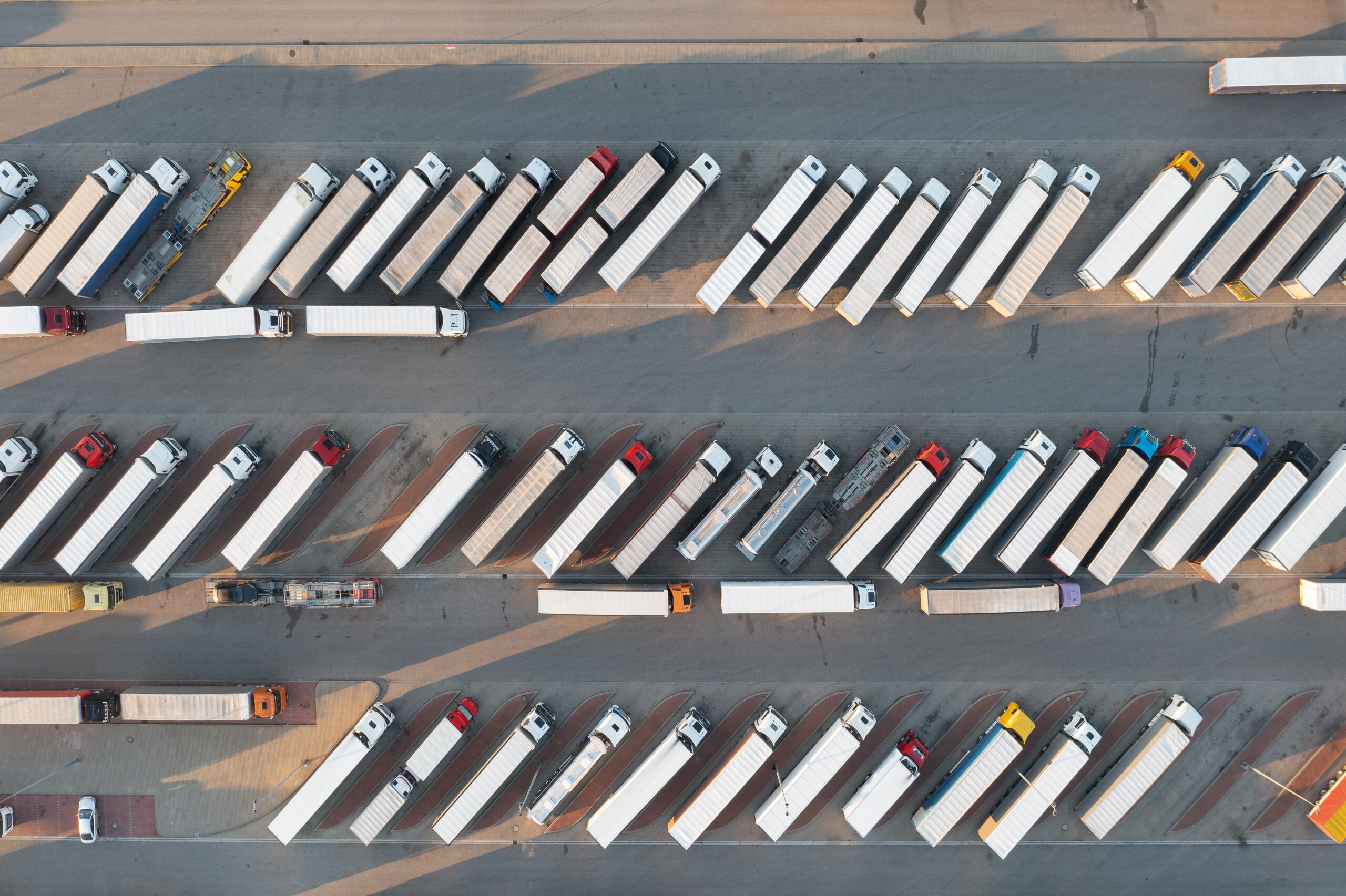
Whether the goal is to improve fuel efficiency, increase payload capacity, meet compliance requirements, or replace ageing assets, fleet upgrades require careful planning and informed decision-making. Yet many UK haulage firms unknowingly make the same costly mistakes when refreshing their vehicles.
In a competitive industry shaped by rising operational costs, stricter environmental regulations, and ongoing driver shortages, avoiding these mistakes is essential. Choosing the wrong vehicles, underestimating maintenance needs, or failing to plan for future demand can lead to inefficiencies, unexpected expenses, and reduced profitability.
This guide explores the five most common mistakes haulage companies make when upgrading their fleet — and how to avoid them — offering practical, expert advice to help operators make smarter investments with long-term benefits.
Mistake 1: Not Clearly Defining Operational Requirements
What does this mistake look like?
Many fleet upgrades begin with good intentions but lack clarity on what the business actually needs. Operators sometimes purchase or lease vehicles based on assumptions rather than operational data. This often leads to mismatched specifications, inefficient fuel use, or vehicles that are not suitable for particular loads or routes.
Examples include:
- Choosing tractor units with engine sizes too large for regional work
- Using trailers unsuitable for load type (e.g., curtainsiders used for loads needing secure containment)
- Over-specifying vehicles due to outdated or inaccurate fleet data
Why does this happen?
Operational requirements evolve, but businesses don’t always review their needs thoroughly before committing to new vehicles. A lack of consultation with drivers, planners, or the maintenance team can result in vehicles that don’t reflect the realities of daily use.
How to avoid it
✔ Analyse your existing fleet performance
Gather data on:
- Mileage & duty cycles
- Load types and weights
- Fuel consumption
- Routes and gradients
- Downtime patterns
✔ Match specifications to real-world needs
Ensure the vehicle’s axle configuration, engine power, trailer type, and equipment suit your work.
✔ Work with an expert leasing partner
Dawsongroup Truck & Trailer offers impartial advice based on decades of experience in the UK haulage sector. Their team helps operators choose the correct vehicles based on load, operation type, and regulatory requirements.
Mistake 2: Focusing Only on Upfront Costs Instead of Whole-Life Costs
What is the problem here?
Many haulage companies prioritise the initial purchase or lease price when upgrading fleets. While budgets matter, the cheapest option often leads to higher long-term expenses.
Whole-life cost (WLC) — also known as total cost of ownership (TCO) — includes:
- Fuel
- Maintenance
- Tyres
- Insurance
- Compliance costs
- Downtime
- Resale or replacement value
A lower upfront cost can disguise a higher running cost.
Why do operators make this mistake?
Fleet upgrades often occur at times of financial pressure. Cash flow concerns lead decision-makers to favour the lowest initial price rather than the most cost-effective long-term solution.
How to avoid it
✔ Compare vehicles based on whole-life cost
A more fuel-efficient tractor unit may cost more upfront but save thousands annually.
✔ Consider maintenance and compliance expenses
Modern Euro VI vehicles, for example, reduce emissions penalties and access restrictions in Clean Air Zones across the UK.
✔ Lease instead of buy
Leasing with Dawsongroup Truck & Trailer includes maintenance, servicing, and predictable costs — offering greater control over long-term expenditure.
Mistake 3: Overlooking Compliance and Regulatory Changes
Why is this a major issue?
UK haulage operators face a growing web of compliance requirements. Upgrading fleets without considering future regulations can leave operators with vehicles that quickly become unsuitable or costly to operate.
Common areas where companies get caught out include:
- Emissions standards (Euro VI, ULEZ and CAZ rules)
- Weight limits and load security requirements
- DVSA roadworthiness obligations
- Driver hours technology and tachograph rules
- Trailer testing intervals and brake testing requirements
What are the risks?
- Fines and penalties
- Prohibitions and downtime
- Damage to the operator licence (O-Licence)
- Increased maintenance costs
- Restricted access to cities
How to avoid it
✔ Research upcoming legislation
The UK is moving towards further decarbonisation, meaning low-emission technology will become increasingly important.
✔ Choose vehicles that meet or exceed current compliance standards
This extends the operational life of the fleet.
✔ Partner with a compliant-focused leasing provider
Dawsongroup Truck & Trailer supplies fully maintained, DVSA-compliant vehicles and provides guidance to help fleets operate safely and legally across the UK.
Mistake 4: Upgrading the Fleet Without Considering Future Demand
Why is this a common mistake?
Haulage firms often upgrade based on current contracts or business levels rather than future growth, diversification, or seasonal peaks.
Examples include:
- Purchasing trailers that are too small for future pallet network requirements
- Choosing rigid trucks instead of tractor units for long-term flexibility
- Underestimating fleet numbers needed for upcoming multi-drop or retail contracts
What happens when future needs aren’t considered?
- Reduced operational flexibility
- Increased need for short-term rental to cover gaps
- Inefficient asset utilisation
- Higher upgrade frequency
How to avoid it
✔ Build scalability into your decisions
Consider leasing vehicles that allow easy fleet expansion as demand grows.
✔ Choose versatile equipment
Curtainsiders, for instance, suit a wide range of load types, providing greater long-term flexibility.
✔ Review historic and projected demand
Analyse seasonal fluctuations and upcoming contract opportunities to determine the right fleet mix.
✔ Use leasing as a strategic tool
Leasing avoids long-term commitment to assets that may become unsuitable as your business evolves.
Mistake 5: Failing to Align Fleet Upgrades with Maintenance Capabilities
What does this mean?
Some haulage companies introduce new vehicles without understanding the maintenance implications. Different makes, models, or trailer types require varying levels of expertise, parts availability, and servicing frequency.
Problems include:
- Workshops unable to support new technology
- Long lead times for parts
- Increased downtime due to unfamiliarity
- Rising maintenance costs
Why does this happen?
Fleet upgrades often prioritise cost savings or payload improvements, without considering the maintenance changes required to support new vehicles.
How to avoid it
✔ Standardise your fleet where possible
A consistent fleet simplifies maintenance, parts stocking, driver training, and defect management.
✔ Assess workshop capacity
Confirm whether your existing technicians and facilities can support the new equipment.
✔ Leverage full-service leasing
Dawsongroup Truck & Trailer manages all inspections, maintenance, and servicing — reducing workshop burden and keeping fleets roadworthy.
✔ Choose vehicles with strong manufacturer support
This ensures long-term availability of parts and technical expertise.
Additional Mistakes Many Haulage Companies Overlook
Although the five core mistakes are the most common, several additional pitfalls can impact the success of a fleet upgrade.
Not engaging drivers in the decision-making process
Drivers understand how vehicles perform in real conditions. Ignoring their input can lead to low satisfaction, reduced safety, and inefficiencies.
Underestimating the role of telematics
Modern fleets rely on telematics for fuel monitoring, route planning, compliance, and safety. Upgrading vehicles without investing in digital tools can limit efficiency gains.
Forgetting about trailer upgrades
Many companies replace tractor units but overlook ageing trailers that may reduce performance or compliance.
Ignoring sustainability goals
With environmental expectations rising, fleet upgrades should include long-term sustainability planning.
Conclusion
Upgrading a haulage fleet is a significant operational and financial decision. By avoiding the five common mistakes outlined in this guide — unclear requirements, focusing only on upfront costs, overlooking compliance, ignoring future demand, and failing to plan maintenance support — operators can build a fleet that is efficient, reliable, compliant, and fit for the future.
Partnering with a trusted provider such as Dawsongroup Truck & Trailer ensures your vehicles are modern, compliant, and backed by a nationwide maintenance network, helping your business stay competitive and operationally resilient.
To explore flexible leasing options or speak with a fleet specialist, visit www.dgtt.co.uk or call 01908 218 111 today.
Recent News
- Is a Used Truck a Better Investment Than New? A UK Fleet Cost Comparison
- Used vs Nearly-New Trucks: What UK Fleet Operators Should Know Before Buying
- Planning Fleet Growth? How Buying Quality Used Commercial Vehicles Protects Cash Flow
- How to Choose Between a Used Tractor Unit, Rigid Truck or Trailer for Your Business
- How to Finance a Used Truck or Trailer in the UK: Options Explained
- How to Reduce Risk When Buying a Used HGV in the UK
- Why Ex-Rental Trucks and Trailers Can Be a Smarter Investment Than Buying Privately
- What Affects the Price of a Used Truck in the UK? A Buyer’s Breakdown
- Planning Fleet Growth? How Buying Quality Used Commercial Vehicles Protects Cash Flow
- Why Ex-Rental Trucks and Trailers Can Be a Smarter Investment Than Buying Privately
- How to Choose Between a Used Tractor Unit, Rigid Truck or Trailer for Your Business
- Future-Proofing Your Fleet: What Businesses Should Consider Before Buying Their Next Used Truck or Trailer
- What Affects the Price of a Used Truck in the UK? A Buyer’s Breakdown
- How to Scale Your Fleet with Used Trucks Without Increasing Financial Risk
- Choosing the Right Trailer Type for Your Operation: Curtainside, Skeletal, Refrigerated and More
- Used Truck Buying Timeline: The Role of Service History in Used Truck Value and Reliability
- Used Truck Buying Timeline: When Is the Best Time to Buy in the UK Market?
- How to Reduce Risk When Buying a Used HGV in the UK
- What to Look for in a Used Curtainsider, Box or Refrigerated Truck
- Used vs Nearly-New Trucks: What UK Fleet Operators Should Know Before Buying
- How to Finance a Used Truck or Trailer in the UK: Options Explained
- Euro VI and Clean Air Zones: What to Consider When Buying a Used Truck in the UK
- Used HGV Buying Mistakes That Cost UK Operators Thousands (And How to Avoid Them)
- Is a Used Truck a Better Investment Than New? A UK Fleet Cost Comparison
- Is Now a Good Time to Buy a Used Truck in the UK? Market Trends and Buyer Advice
- Curtainsider vs Box vs Refrigerated: How to Choose the Right Used Trailer for Your Operation
- Used Truck Inspection Checklist: How UK Fleet Buyers Can Avoid Costly Mistakes
- What Mileage Is Too High for a Used HGV? A UK Buyer’s Guide
- How to Buy a Reliable Used Trailer in the UK: Expert Advice for Fleet Buyers
- The True Cost of Buying a Used Truck: What UK Buyers Often Overlook
- Top Things to Check When Buying Used Trailers: A Checklist for Logistics Operators
- 5 Common Mistakes Haulage Companies Make When Upgrading Their Fleet — and How to Avoid Them
- How to Spot a Reliable Used Trailer or Truck: Expert Tips from the Yard
- Navigating the Used Commercial Vehicle Market: A Strategic Guide for UK Operators
- Why the Demand for Used Trucks Is Rising in 2025
- Get to Know… Luke Thorsen
- Trends in the UK used truck market
- Get to Know… Guy Pinder
- Get to Know… Emma Denton
- Get to Know… Gareth Williams
- Choosing the right used truck for your business needs
- How important are truck drivers and good quality trucks to the UK economy?
- Driving and caring for an HGV in winter
- Top 10 fuel efficiency tips for HGVs
- Clean Air Zones – you could be heading for a very costly future
- UK Operator Licences – an essential guide
- Excellent customer service comes as standard with Dawsondirect
- Get to Know… Stuart Gray, our new General Manager
- Turbocharge your career in used truck and trailer sales!
- What to look for when buying a used truck
- Dawsondirect – your first choice for quality used trucks and trailers
- ‘Interesting’ time in the used truck and trailer market
- Used truck and trailer live auctions are back!
- Warehouse on Wheels satisfies strong demand at Summer events
- Get to Know… James Hunter, Head of Remarketing
- Perfect storm poses new challenges for stallwart in used truck sales
- Multi-million-pound investments in fleet renewal and refresh
- New Dawsongroup South West supersite opens for business
- Don’t get caught out by London’s Direct Vision Standard!