Skip to content
The True Cost of Buying a Used Truck: What UK Buyers Often Overlook
Buying a used truck is a common and often sensible decision for UK haulage companies, fleet operators, and owner-drivers.
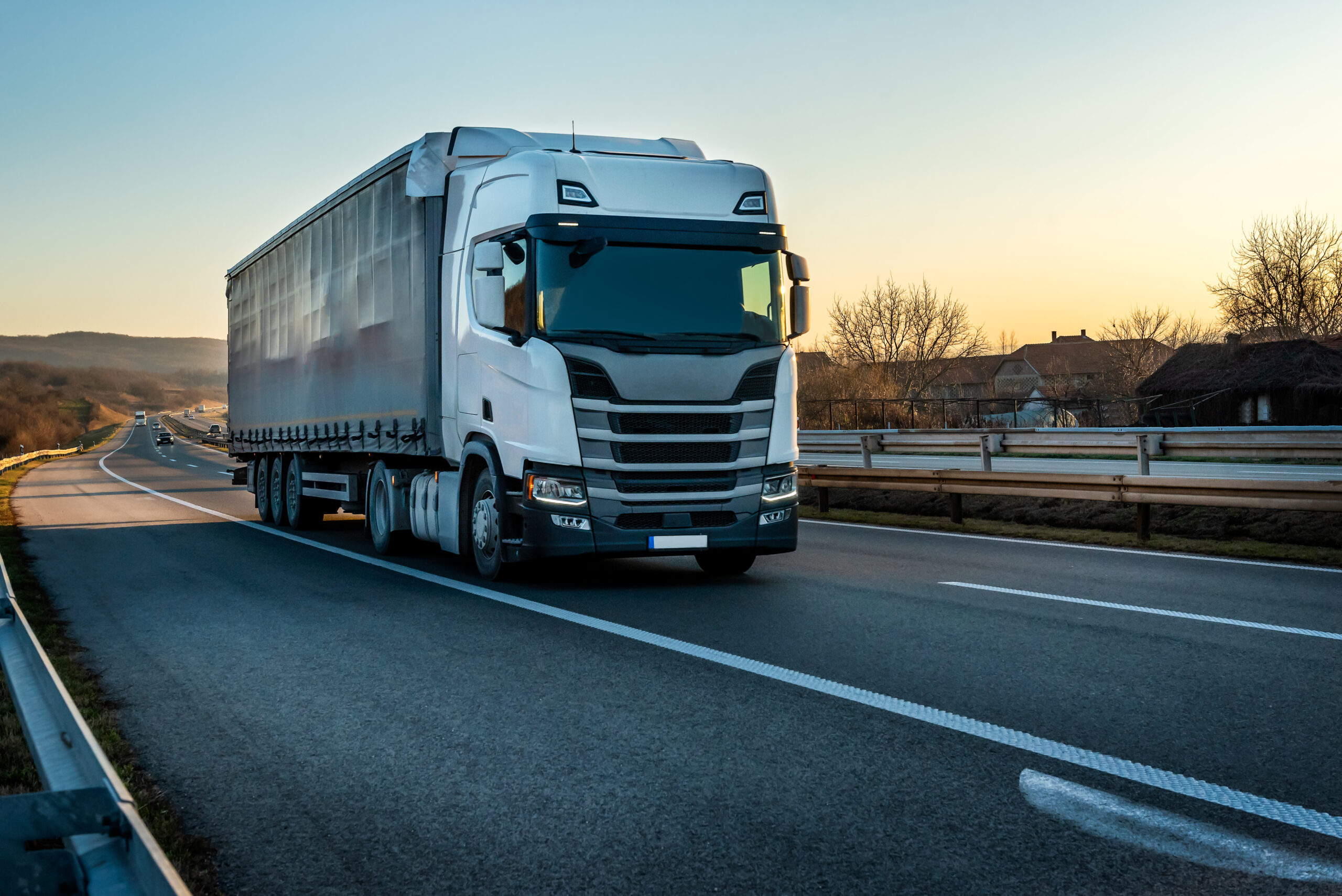
Compared to new vehicles, used trucks offer lower upfront costs, quicker availability, and proven reliability when sourced correctly.
However, many buyers focus almost entirely on the purchase price, overlooking the wider costs that determine whether a used truck is genuinely good value over its working life. These hidden or underestimated costs can significantly impact profitability, uptime, and compliance if they are not identified early.
This guide breaks down the true cost of buying a used truck in the UK, highlighting what buyers frequently overlook and how to make smarter, lower-risk purchasing decisions.
What Does “True Cost” Mean When Buying a Used Truck?
The true cost of a used truck goes far beyond the price listed on the advert. It includes:
- Compliance and legal readiness
- Maintenance and repair exposure
- Fuel efficiency and emissions impact
- Downtime and operational disruption
- Financing, insurance, and warranty considerations
- Residual value and exit strategy
Understanding these costs allows buyers to compare trucks accurately and avoid unpleasant surprises after purchase.
Why Focusing Only on Purchase Price Is a Risk
Used truck pricing can vary widely depending on age, mileage, specification, and condition. A cheaper truck may appear attractive initially but can quickly become expensive if it requires frequent repairs, fails compliance checks, or is inefficient to run.
UK buyers who overlook long-term operating costs often face:
- Unexpected workshop bills
- Missed contracts due to downtime
- Compliance failures and prohibitions
- Reduced resale value
A slightly higher upfront investment can often result in significantly lower total cost of ownership.
Cost Area 1: Compliance and Roadworthiness Preparation
What buyers often overlook
Many used trucks require pre-delivery work before they are truly road-ready.
This can include:
- MOT preparation and testing
- Brake performance testing
- Rectifying advisory defects
- Tachograph calibration
- Emissions compliance checks
Why it matters
If these costs are not included in the purchase, they fall directly to the buyer — often immediately after collection.
How to manage the cost
Buying from a specialist supplier such as Dawsondirect reduces this risk, as vehicles are inspected, prepared, and supplied to UK roadworthiness standards.
Cost Area 2: Maintenance History and Future Repair Exposure
The hidden risk
A used truck without a complete service history is one of the biggest financial risks a buyer can take.
Missing records may hide:
- Deferred maintenance
- Poor servicing intervals
- Repeated component failures
- Incorrect repair work
Why it impacts cost
Lack of history increases the likelihood of early major repairs, including:
- Gearboxes
- Clutches
- Suspension components
- Emissions systems
Smart buyer approach
Always request:
- Full service and maintenance records
- Evidence of manufacturer-recommended servicing
- Brake test history
A well-maintained truck will almost always cost less over time than a cheaper, poorly documented alternative.
Cost Area 3: Fuel Efficiency and Emissions
Often underestimated
Fuel is one of the largest ongoing costs for any UK haulage operation. Older or poorly specified trucks can be significantly less efficient.
Key factors affecting fuel cost:
- Engine generation (Euro V vs Euro VI)
- Vehicle weight and axle configuration
- Aerodynamics
- Telematics and driver behaviour systems
Compliance costs also apply
In Clean Air Zones (CAZs) and ULEZ areas, non-compliant trucks may incur daily charges or be restricted entirely.
Long-term impact
Paying slightly more for a modern, fuel-efficient used truck can save thousands of pounds per year in fuel and emissions charges.
Cost Area 4: Downtime and Lost Revenue
The cost most buyers don’t calculate
Downtime isn’t just inconvenient — it directly affects revenue.
Costs include:
- Missed deliveries
- Contract penalties
- Replacement vehicle hire
- Driver idle time
A cheaper truck that breaks down more frequently can quickly become more expensive than a reliable alternative.
Reducing downtime risk
- Choose vehicles with strong reliability records
- Avoid trucks with unclear maintenance histories
- Buy from suppliers who inspect and prepare vehicles professionally
Cost Area 5: Warranty, After-Sales Support, and Risk Transfer
Why this matters
Private sales or low-cost dealers often offer no warranty and limited support.
If something fails, the cost is entirely yours.
What buyers should look for:
- Warranty options on major components
- Clear post-sale support channels
- Access to parts and technical advice
Specialist suppliers such as Dawsondirect offer greater transparency and reassurance than private or unverified sellers.
Cost Area 6: Finance, Insurance, and Cash Flow
Financing costs
Even when buying used, finance arrangements affect overall cost through:
- Interest rates
- Deposit requirements
- Contract length
Insurance impact
Older or higher-risk vehicles may:
- Cost more to insure
- Attract higher excesses
- Have coverage limitations
Smart planning
Understanding the full monthly cost, not just the purchase price, ensures affordability and cash-flow stability.
Cost Area 7: Specification Mismatch
A common oversight
Buying a truck that does not fully match your operation can quietly increase costs.
Examples include:
- Over-powered vehicles for regional work
- Incorrect axle configuration
- Incompatible trailer pairings
This can lead to:
- Higher fuel use
- Increased wear
- Operational inefficiencies
Expert advice before purchase helps ensure the truck fits your workload, routes, and future plans.
Cost Area 8: Residual Value and Exit Strategy
Often ignored at purchase stage
Every truck has an exit point — resale, trade-in, or disposal.
Factors affecting residual value:
- Mileage at resale
- Service history
- Brand reputation
- Emissions compliance
A truck with strong resale value reduces total cost of ownership and improves long-term ROI.
Why Buying from a Specialist Supplier Reduces True Cost
Buying from a specialist used truck supplier such as Dawsondirect helps buyers avoid many of the hidden costs outlined above by offering:
- Professionally inspected vehicles
- Transparent documentation
- Compliance-ready preparation
- Industry expertise and guidance
- Reliable after-sales support
This shifts risk away from the buyer and creates greater cost certainty.
Conclusion
The true cost of buying a used truck in the UK goes far beyond the sticker price. Compliance preparation, maintenance exposure, fuel efficiency, downtime risk, and resale value all play a critical role in determining whether a truck is genuinely good value.
By understanding these overlooked costs — and choosing the right supplier — UK buyers can make confident, informed decisions that support profitability and reliability.
To view quality used trucks or speak with an expert, visit https://dawsondirect.co.uk/ and explore current stock today.
Recent News
- Is a Used Truck a Better Investment Than New? A UK Fleet Cost Comparison
- Used vs Nearly-New Trucks: What UK Fleet Operators Should Know Before Buying
- Planning Fleet Growth? How Buying Quality Used Commercial Vehicles Protects Cash Flow
- How to Choose Between a Used Tractor Unit, Rigid Truck or Trailer for Your Business
- How to Finance a Used Truck or Trailer in the UK: Options Explained
- How to Reduce Risk When Buying a Used HGV in the UK
- Why Ex-Rental Trucks and Trailers Can Be a Smarter Investment Than Buying Privately
- What Affects the Price of a Used Truck in the UK? A Buyer’s Breakdown
- Planning Fleet Growth? How Buying Quality Used Commercial Vehicles Protects Cash Flow
- Why Ex-Rental Trucks and Trailers Can Be a Smarter Investment Than Buying Privately
- How to Choose Between a Used Tractor Unit, Rigid Truck or Trailer for Your Business
- Future-Proofing Your Fleet: What Businesses Should Consider Before Buying Their Next Used Truck or Trailer
- What Affects the Price of a Used Truck in the UK? A Buyer’s Breakdown
- How to Scale Your Fleet with Used Trucks Without Increasing Financial Risk
- Choosing the Right Trailer Type for Your Operation: Curtainside, Skeletal, Refrigerated and More
- Used Truck Buying Timeline: The Role of Service History in Used Truck Value and Reliability
- Used Truck Buying Timeline: When Is the Best Time to Buy in the UK Market?
- How to Reduce Risk When Buying a Used HGV in the UK
- What to Look for in a Used Curtainsider, Box or Refrigerated Truck
- Used vs Nearly-New Trucks: What UK Fleet Operators Should Know Before Buying
- How to Finance a Used Truck or Trailer in the UK: Options Explained
- Euro VI and Clean Air Zones: What to Consider When Buying a Used Truck in the UK
- Used HGV Buying Mistakes That Cost UK Operators Thousands (And How to Avoid Them)
- Is a Used Truck a Better Investment Than New? A UK Fleet Cost Comparison
- Is Now a Good Time to Buy a Used Truck in the UK? Market Trends and Buyer Advice
- Curtainsider vs Box vs Refrigerated: How to Choose the Right Used Trailer for Your Operation
- Used Truck Inspection Checklist: How UK Fleet Buyers Can Avoid Costly Mistakes
- What Mileage Is Too High for a Used HGV? A UK Buyer’s Guide
- How to Buy a Reliable Used Trailer in the UK: Expert Advice for Fleet Buyers
- The True Cost of Buying a Used Truck: What UK Buyers Often Overlook
- Top Things to Check When Buying Used Trailers: A Checklist for Logistics Operators
- 5 Common Mistakes Haulage Companies Make When Upgrading Their Fleet — and How to Avoid Them
- How to Spot a Reliable Used Trailer or Truck: Expert Tips from the Yard
- Navigating the Used Commercial Vehicle Market: A Strategic Guide for UK Operators
- Why the Demand for Used Trucks Is Rising in 2025
- Get to Know… Luke Thorsen
- Trends in the UK used truck market
- Get to Know… Guy Pinder
- Get to Know… Emma Denton
- Get to Know… Gareth Williams
- Choosing the right used truck for your business needs
- How important are truck drivers and good quality trucks to the UK economy?
- Driving and caring for an HGV in winter
- Top 10 fuel efficiency tips for HGVs
- Clean Air Zones – you could be heading for a very costly future
- UK Operator Licences – an essential guide
- Excellent customer service comes as standard with Dawsondirect
- Get to Know… Stuart Gray, our new General Manager
- Turbocharge your career in used truck and trailer sales!
- What to look for when buying a used truck
- Dawsondirect – your first choice for quality used trucks and trailers
- ‘Interesting’ time in the used truck and trailer market
- Used truck and trailer live auctions are back!
- Warehouse on Wheels satisfies strong demand at Summer events
- Get to Know… James Hunter, Head of Remarketing
- Perfect storm poses new challenges for stallwart in used truck sales
- Multi-million-pound investments in fleet renewal and refresh
- New Dawsongroup South West supersite opens for business
- Don’t get caught out by London’s Direct Vision Standard!